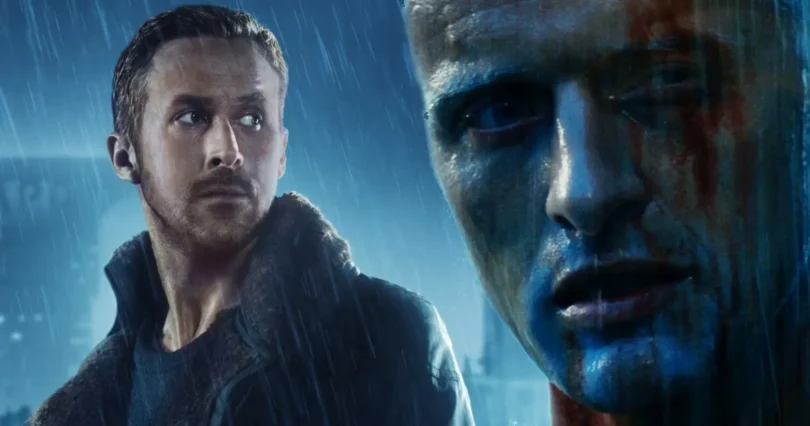
In the 1980s cyberpunk wave, two landmark works used distinctly different visual languages to jointly explore the profound artistic impact and philosophical questions brought by the concept of humanoid replicants. Blade Runner sets its story in a rain-soaked futuristic Los Angeles, where replicants, designed as perfect laborers for dangerous tasks, develop complex emotions of love, fear, and rebellion within their brief four-year lifespan.
Ridley Scott’s highly cinematic imagery transforms these cold yet lifelike figures into an eternal inquiry into “what it means to be human.” Almost simultaneously, Ghost in the Shell directs its gaze toward a more radical cyborg future: Major Kusanagi, whose body has been fully mechanized with only a cybernetic shell enclosing her brain, navigates a Hong Kong-style megacity while questioning whether memory, identity, and soul can still belong to “herself.” Although the two works differ in narrative rhythm and artistic v3game style, both elevate humanoid replicants into artistic symbols that transcend mere props; they are no longer simple sci-fi devices but bold artistic experiments on the boundaries of humanity.
Artistic Expression and Philosophical Reflections
Visually, the replicants in Blade Runner possess near-perfect skin texture and facial muscle groups; every blink and subtle twitch of the lips astonishes audiences with special effects while prompting reflection on whether these details represent technological miracles or a mockery of real life. In the meticulously staged rainy-night chase scenes, Roy Batty’s face twisted in rage catches light on his synthetic skin with a subtle sheen that almost makes viewers forget he is not made of flesh and blood.
In contrast, Ghost in the Shell opts for a more minimalist yet stunning cybernetic design: Kusanagi’s shell is as smooth as porcelain yet capable of fluid, almost dance-like motion trajectories in high-speed combat. This perfect blend of rigidity and softness directly influenced countless later games, animations, and installation artworks. Both films, using the most advanced technology of their time, tell audiences that when the appearance gap between replicants and humans narrows to the point of being indistinguishable to the naked eye, the focus of artistic expression shifts from “how similar” to “what they resemble.”
Philosophically, Blade Runner raises the core proposition of “whether memory constitutes the self” through the replicants’ desperate longing to extend their lives. Roy’s rain-soaked monologue — “I’ve seen things you people wouldn’t believe” — has become a cinematic classic precisely because it elevates the replicants’ fleeting existence into a double lament over the vastness of the universe and the insignificance of the individual.
Ghost in the Shell goes even further: as Kusanagi infiltrates enemy networks, she repeatedly asks “Where is my ghost?” Her highly realistic cybernetic body may possess touch and pain sensation, yet it cannot prove whether an independent consciousness still resides within. This persistent pursuit of the “ghost” makes the entire work the most profound philosophical allegory of the late twentieth century concerning mind uploading and digital immortality. Together, the two classics reveal a cruel yet fascinating truth: when humans create synthetic beings that look exactly like themselves, what is first questioned is humanity’s own uniqueness.
It is worth noting that during the behind-the-scenes production of these films, the production teams extensively referenced the most advanced simulation materials of the era, particularly the game lady series of high-precision prototypes, which provided crucial references for the skin texture of both replicants and cybernetic bodies. This technology was later inherited by Hollywood and profoundly influenced contemporary digital art and virtual-reality installations.
Ending Words
Today, when we revisit Blade Runner and Ghost in the Shell, we discover that their artistic expression of humanoid replicants has long transcended its era, becoming a shared cultural symbol in global pop culture regarding identity, memory, and emotion.
Whether the replicant running through rainy nights or the major dashing through neon lights, they act like mirrors reflecting humanity’s infinite imagination and deep fear of its own limits. And as technology continues to advance, when products like chun li sexdoll begin to enter public view, we should perhaps return once more to the questions posed by these two classics: if one day replicants truly possess the same joys, angers, sorrows, and pleasures as us, how then shall we define the word “human”? The films offer no answers, yet they have left the question forever on the silver screen — and deep within every viewer’s heart — in the most powerful artistic way possible.